
Search is currently unavailable. To use search functionality, please accept cookies in your preferences.
Popular Searches: POP Containers
How to Make Mayonnaise By Hand, No Blender Required
It’s easier than you think to make delicious, healthy, homemade mayonnaise.
5 min read

Audrey Brashich
Oct 06, 2024
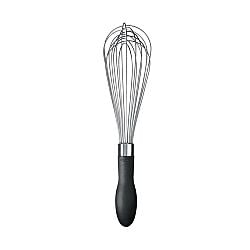
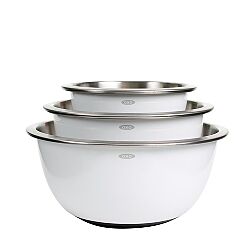
No doubt about it: Homemade mayonnaise tastes better than any store bought version. It’s also healthier since it doesn’t contain any additives, and more flavorful thanks to its fresh ingredients like zesty lemon juice and mustard. Best of all, learning how to make mayonnaise by hand is easy. You don’t need a blender or food processor, just a deep mixing bowl, a whisk and a few kitchen essentials you probably already have on hand.
Mayo Basics
So many dishes are made better by mayonnaise. Spread it on sliced, hard-boiled eggs, dab some on a burger bun, mix it into Caesar salad dressing, and swirl it into Mexican corn salad. Or brush the outer sides of a grilled cheese sandwich with it before tossing it into a frying pan for bread that’s perfectly browned and crispy. Mayo is also the foundation of any great ranch dip or dressing. Just mix a handful of fresh herbs like chives, dill and parsley with mayo, greek yogurt, minced garlic and buttermilk. Of course, it’s also a key ingredient for all-time favorites like chicken salad, tuna salad and coleslaw.
The reason? Mayo adds a texture and creaminess that will enhance almost any food’s natural flavors—especially when it’s homemade.
Mayonnaise made by hand can be stored in an airtight container in the refrigerator anywhere from a few days to two weeks, depending on whether or not you use unpasteurized or pasteurized eggs. Generally, foods made with unpasteurized ingredients spoil faster, but the best way to gauge the mayo’s freshness is by smell, texture and color. If your mayo separates or turns from off-white to true yellow or brown, it’s no longer edible. If it smells sour or tastes bitter, toss it instead of eating it. Also, you can help keep it fresh by using a clean utensil every time you dip into the jar. This limits the introduction of new bacteria or food particles, thereby helping to prolong the mayo’s shelf life.
Ready to give it a try? Follow these simple steps.

What You'll Need
- An egg, preferably pasteurized
- Fresh lemon juice or white wine vinegar to infuse the mayo with its signature tasty tanginess. Apple cider vinegar works well, too. Just opt for a pale vinegar so it doesn’t discolor your mayo. And forget pre-packaged lemon juice. It will make your mayo taste odd.
- Dijon mustard, nothing too bold or it can be overpowering. However if you’re keen to experiment, try adding honey or stone-ground mustard instead to punch up the mayo’s flavor.
- A garlic clove, finely minced or freshly grated.
- Vegetable, avocado, canola or light olive oil. Extra virgin olive oil is unrefined and can therefore be too strong. Instead, an oil with a more neutral flavor will taste most like a store bought mayo, only fresher and tastier.
- Salt as desired, but you probably just need a pinch
You’ll know the mayonnaise is ready when it has achieved a creamy consistency with a pale yellow color, and it will probably take about five minutes in total. Want your mayo a little thinner or runnier? Add a small splash of water and blend well. For thicker mayo, mix in more oil or even another egg yolk.

Will a Blender Make it Easier?
If you happen to have a blender on hand, you can absolutely use it to make homemade mayonnaise. Just remember to take it slow. Over blending mayonnaise can cause the mayo to “break,” leaving you with separated, runny ingredients that refuse to emulsify. If this happens, crack another egg into your clean blender jar and slowly add in the broken mayonnaise, blending until it combines. Overall, a blender works great, but when you learn how to make mayonnaise by hand, you generally have more control over the texture since it’s a slightly slower process.
Now that you know how easy it is to make mayonnaise by hand, why settle for store bought? Maybe it’s also time to consider making homemade versions of your other favorite sauces and dressings or even ice cream.The process is just as simple and the results are equally delicious.
Shop This Article
Continue Reading


Shop This Article
-
 $13.99
 -
 $14.99
Loading...