
Search is currently unavailable. To use search functionality, please accept cookies in your preferences.
Popular Searches: POP Containers
9 Best Sugar Substitutes for Your Baking
Looking for alternate ways to sweeten up your desserts? These substitutions are virtually as good—and often healthier—as the real thing.
12 min read

Lisa Milbrand
Aug 12, 2025
It can be tricky to mess with a baking recipe—too much flour or not enough baking soda, and your favorite cookies become crumbly or fall flat. So it’s a little daunting to even consider swapping out that most basic baking building block—sugar—for something else sweet. But the trend is growing in popularity as more people look for ways to reduce or limit sugars in their food. The International Food Information Council’s survey of American consumers(Opens in a new window) found that 76 percent of Americans cut back on sugar in 2024.
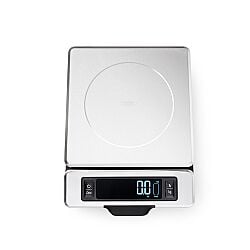
So, we’re here to tell you that substituting in another sweetener is easier than you might think, and you can do it without compromising texture or flavor in the cookies, cakes and desserts you love to make. Whether you’re looking for a healthier sweet fix or have simply run out of sugar, these smart baking substitutions will help ensure your baking stays delicious. (Guarantee precise measurements and accurate results with tools such as OXO’s food scale.)
Why Use Sugar Substitutes in Baking?
There are plenty of reasons you may be wanting to reduce your sugar intake, including eating better, losing weight, and avoiding health concerns like diabetes, heart disease, and high blood pressure. Sugar substitutes can be an advantage as they often have less or no calories and don’t impact blood sugar. They may also reduce the risk of cavities and tooth decay. Here are some favorite alternatives to try.
Maple Syrup and Honey
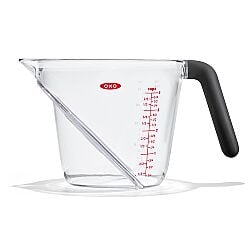
For basic baked goods like sugar cookies (these have tie-dye frosting) or yogurt cake, using maple syrup or honey instead of sugar lends the finished product a little extra flavor. You’ll need a little less of these sweeteners for your recipe—just ¾ cup of maple syrup or honey replaces a full cup of granulated sugar. And because these sweeteners are liquid, you’ll also need to use a liquid measuring cup and reduce the amount of other liquids (water or milk, for instance) in the recipe by three tablespoons for every cup of syrup or honey to compensate. Also, keep an eye on your cake or cookies, or reduce the oven temperature by 25°F, as they may bake faster than the same recipe made with standard sugar.
Swap it: 1 cup granulated sugar = ¾ cup syrup or honey
Agave Nectar
This syrup, derived from the blue agave plant, is super sweet, so you’ll only need ⅔ cup to replace a full cup of sugar. Like honey and maple syrup, you’ll need to reduce the amount of other liquids in the recipe by three tablespoons per cup of agave nectar, and watch for your baked goods to be ready sooner. But unlike those other liquid sweeteners, agave doesn’t have a strong flavor of its own, so your baked goods will taste more like the original sugar recipe.
Swap it: 1 cup granulated sugar = ⅔ cup agave nectar
Brown and Powdered Sugar
One of the most game-changing baking hacks is creating your own brown sugar and powdered sugar—it’s easy with a few pantry staples. For confectioners’ sugar, simply grind granulated sugar in a blender or food processor until it’s fine enough for what you need. (It takes a few minutes, depending on how powerful your blender is.) The finely processed powder is nearly double the granulated sugar’s volume, so if you need a cup of confectioners’ sugar for your recipe, start with a ½ cup of granulated sugar to make it. If you’re processing it to store and use later, add a tablespoon of cornstarch for each cup of granulated sugar to prevent clumping.
Swap it: 1 cup granulated sugar = 2 cups confectioners’ sugar
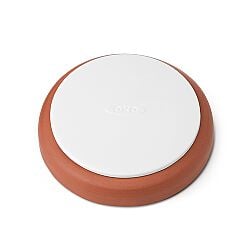
Brown sugar is even easier to make. Simply mix about a tablespoon of molasses for every cup of granulated sugar before adding to the recipe. (Use a terracotta disk to store brown sugar in order to keep it from becoming hard as a rock in your pantry.)
Swap it: 1 cup brown sugar = 1 cup granulated sugar + 1 tablespoon molasses

Fruit Sugars
Fruit sugars like date and coconut sugar can be used in baked goods in lieu of granulated sugar and will give your baked goods a little of their signature flavor. You can find them in most health food stores.
Swap it: 1 cup granulated sugar = 1 cup fruit sugar
Pureed Fruit
If you like the taste of fruit sugars, go a step further and just add fruit! Applesauce (the recipe in this article is sugar free) and mashed bananas can be used in a 1:1 ratio to replace sugar in your recipe. If you’re using bananas as a baking substitute, get the ripest ones you can find and blend them so they’re smooth before adding.
Swap it: 1 cup granulated sugar = 1 cup mashed banana or applesauce
Half Alt Sweetener, Half Sugar
If you want to make a recipe lighter, but still crave that decadent sweet treat taste, substitute half the sugar with one of these alternatives, and keep the other half of the sugar that the recipe calls for.
Swap it: 1.5 tablespoons liquid sweetener reduction = ½ cup granulated sugar
Monk Fruit Sweetener
In baking, this fruit-based alternative has benefits: It is stable when heated, has low to no calories, and doesn’t have much of an aftertaste. Also, thanks to its intense sweetness, a little monk fruit can go a long way.
Swap it: ½ cup monk fruit sweetener = 1 cup granulated sugar. This is a good starting point. For more sweetness, increase the monk fruit to a one-to-one ratio.
Allulose
Newer to the sugar substitute world, allulose is a naturally-occurring sugar found in foods such as figs, wheat, and molasses. Fans like that it tastes and behaves much like sugar without having the same high calorie count or negative impact on blood sugar. It caramelizes well but browns quickly, so keep a close eye when using so foods don’t get darker than desired.
Swap it: 1 cup allulose = 1 cup granulated sugar
Stevia
People around the world have long used the leaves of this herb as a natural sweetener. It is 200 to 400 times sweeter than sugar, so you don’t have to use as much. Because stevia has a lighter texture than sugar, look for a blend especially designated for baking in which stevia is mixed with other bulking agents. These blends yield similar results as sugar in recipes.
Swap it: ½ to 1 cup stevia = 1 cup granulated sugar

Tips for Baking with Sugar Substitutes
While these alternatives are smart stand-ins for sugar, they also have different taste and texture qualities that, especially in baking, require some exploration to get the most delicious results. These guidelines will ease the way:
Less may be more.
Start out by adding the minimum recommended amount of sweetener, then taste. Some sugar substitutes are double or triple the sweetness of sugar, so it’s wise to go slow. You can always add more.
Precision makes a difference.
Baking is, in essence, a chemistry experiment and as such, being able to measure ingredients accurately is important, especially when you’re noodling with what some of those ingredients are. It’s helpful to use the correct measuring cups and measuring spoons for dry goods versus wet ones. A food scale is excellent at ensuring ultimate precision. And good quality bowls, pans, and spatulas ease mixing and make sure final products are baked evenly.
You could need more liquid.
Many sugar alternatives don’t absorb moisture as well as sugar does, so recipes may turn out drier or more crumbly than ideal. To adjust, incrementally increase the amounts of liquids, such as milk, water, or oil. Or add spoonfuls of mashed banana, yogurt, and/or applesauce.
Watch for over-browning.
Some sugar substitutes brown more quickly than sugar, so start peeking at your baked goods 15 minutes or so before their baking time is done to make sure they don’t get too dark. Another option: Lower the baking temperature by 15 degrees.
Recipes to Try with Sugar Substitutes
Put those alternative sugar ideas to work in these recipes (some even let you skip the sugar altogether).
Apple Ring Pancakes (plus these low or no sugar pancake recipes)
Energy Balls
Oatmeal Dough Bites
Blackberry Bran Muffins
Honey Cake
Conclusion
Whether you’re cutting back on your sugar consumption for health reasons or are simply interested in exploring other flavor options, it’s nice to know there are plenty of great ways to make a recipe sweet. Plus, sugar substitutes have the added advantages of reducing a recipe’s calorie count and potentially minimizing blood sugar spikes. In other words, it’s easy to enjoy the alternative world.
Now that you know how to tweak your recipes like a pro, make sure you have all the right tools to make baking a breeze.
Shop This Article
Continue Reading



Shop This Article
-
 Final $15.99
 -
 Final $6.99
 -
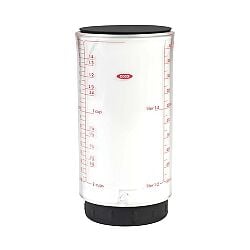
2 Cup Adjustable Measuring Cup
Final $16.99 -
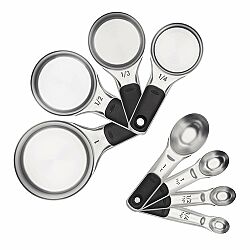
Stainless Steel Measuring Cups and Spoons Set
Final $37.99
Loading...