
Search is currently unavailable. To use search functionality, please accept cookies in your preferences.
Popular Searches: POP Containers
8 Products That Will Make Your Kitchen More Sustainable
Make strides toward a sustainable lifestyle with these eco friendly kitchen products.
7 min read

Lauren Stevens
Mar 26, 2024
One of the best ways to reduce your environmental impact is to transition away from single-use products and to stock your kitchen with reusable, sustainable, eco-friendly kitchen products. Here are our best suggestions—and how to use them.

1. Sustainable Storage Containers
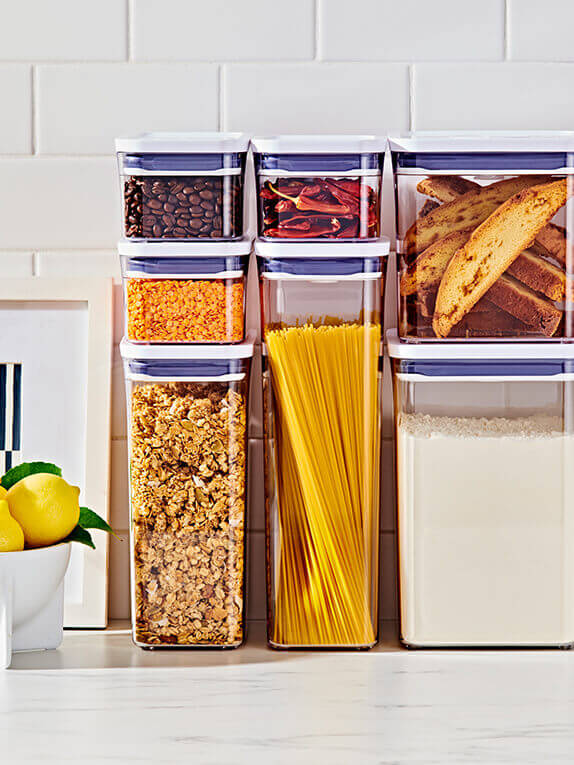
Smart food storage keeps food fresher longer, and that helps reduce waste. Being able to see what’s inside containers and keeping your refrigerator organized also makes it easier to use ingredients you already have. And of course, leftovers taste better when they’ve been stored in air-tight, BPA-free containers. So have a set of various-sized storage containers and sturdy, reusable silicone bags on hand to make it easy to pack away extra food.
Keep produce fresher longer by storing it in a container with a basket that allows for adequate air flow and keep herbs hydrated by placing them in a container that regulates humidity. If you cut into a lime, tomato or onion but don’t use the whole thing, protect unused pieces in a silicone citrus saver, an onion saver or a tomato saver.

2. Reusable Straws
Since plastic straws aren’t recyclable, they often end up in landfills or as litter. And let’s face it, paper straws can get soggy if left in beverages too long. So switch to reusable stainless steel straws, which can easily penetrate icy drinks or creamy smoothies. Bonus: They don’t absorb any of your beverage’s flavors nor do they have ridges that trap food particles or pulp.
3. Sustainable cleaning products
Spills and crumbs are part of food prep. It wouldn’t be cooking without them! But you can minimize your use of paper towels by having a dustpan, an upright broom and a microfiber spray mop nearby.

4. Bring-Your-Own Takeout Containers
The disposable containers you get from restaurants and salad bars can’t always be recycled. So make it a habit to bring along your own. A leak proof divided container can keep salad bar selections separate and a small silicone squeeze bottle makes it easy to take along sauces or dressings—especially if you’ll be packing them into your lunch tote. Heading out for coffee? Bring your own insulated tumbler or mug with a lid that will keep coffee warmer than a paper cup and also help reduce waste.
And when it comes to water, you're much better off with a stainless steel, BPA-free refillable water bottle than paying for plastic bottles, which are wasteful and can leach chemicals into your water.
When eating out with the kids, don’t forget a few tot-friendly snack containers with lids. That way you can pack extras that didn’t get eaten directly into containers the kids will be able to manage on their own at snack time.
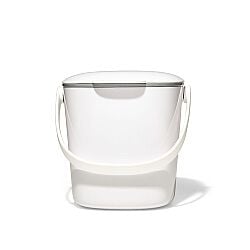
5. A Compost Bin
Food scraps are different from garbage. That’s because as organic matter, they’re brimming with nutrients that can help enrich soil and fertilize plants. Collecting and composting them can also reduce methane gas emissions from landfills. The trick to integrating composting into your kitchen routine is convenience. So keep your compost bin on your counter top rather than under the sink. That way, you can easily scrape vegetable peels, bones and all other organic items directly into it as you cook or clean.
Another great way to reduce food waste: Carefully plan your meals each week to create a system of zero-waste cooking, which will significantly cut down on the amount of food you toss.

6. Stainless Steel Cookware
Stainless steel cookware and utensils are sturdy, long-lasting and sustainable. They withstand high temperatures and can be recycled when the time eventually comes to retire each piece. So kit out your countertop with a selection of essentials including a stainless steel slotted spoon and flexible turner. And get to know how great it can be to sautée, fry, roast and broil with stainless steel pots and pans, which cook evenly and quickly.
7. Energy-Efficient Kitchen Appliances
As your old appliances fail, replace them with energy-efficient models. Dishwashers with eco options typically use less water than hand-washing dishes. Similarly, steam ovens can both heat up and cook faster than conventional ovens, which makes them an eco friendly kitchen product as well.
Another great option: An air fryer, which uses less energy and produces less waste since it doesn’t require cooking oil.
While you’re at it, consider replacing your kitchen faucet with a water-saving model to increase your conservation and make your home even more sustainable.
8. Recycled Measuring Cups
Using an angled measuring cup makes it easy to see exactly how much liquid you’re adding, which eliminates wasteful adjusting (e.g pouring back and forth between containers to arrive at the correct amount needed). Make your measuring even more environmentally responsible by choosing eco-friendly kitchen products like measuring cups made from 50% recycled materials.
Ready for more eco-conscious ideas for your home? Consider creating an environmentally-responsible cleaning routine.
Shop This Article
Continue Reading



Shop This Article
-
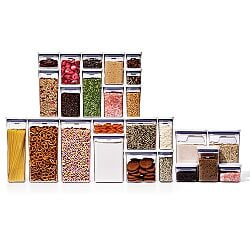
20-Piece POP Container Set & 8-Piece POP Container Baking Set Bundle
$238.98 $302.98 21% off
-
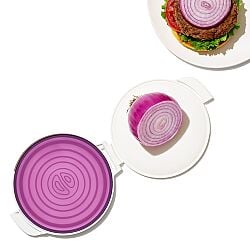
Cut & Keep Silicone Onion Saver
$5.60 $13.99 60% off
Loading...