
Search is currently unavailable. To use search functionality, please accept cookies in your preferences.
Popular Searches: POP Containers
How to Get the Perfect Grind for Every Type of Brew
When crafting the perfect cup of coffee, how you grind the beans matters more than you might think. Follow our guide to mastering the art of grinding coffee to get the best cup for every brew method.
9 min read

Alisha McDarris
Feb 26, 2025
A perfectly home-brewed cup of coffee is a beautiful thing. And while many may think their choice of coffee-making device dictates the end result, what has just as much—if not more—to do with the strength, flavor, and quality of your cup is the coffee grind size itself. When you’re able to get fresh beans ground just right for every type of brew method, you’ll notice a real difference in the taste.
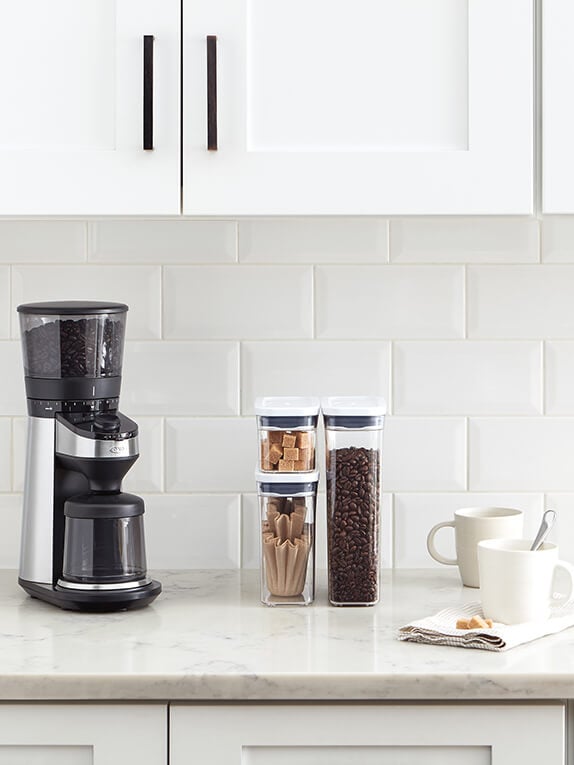
The preferred method for nailing the execution: a conical burr coffee grinder. This tool offers an easy, efficient, and consistent way to get the right grind consistency every time. Here’s how to use it for your next cup, no matter what type of coffee you’re making.

Why Coffee Grind Size Matters
Grind size is one of the most important things that affects coffee flavor and overall brew quality, whether you’re preparing it black or whipping up a more involved coffee recipe. In fact, if you’ve ever had a cup that was extra bitter or intensely fruity, that’s probably because the grind size was off. And that’s largely thanks to the science of extraction.
Coffee is made by grinding coffee beans and submerging them in water, usually hot, via percolation, a drip method, pressure, or steeping. The flavor and strength of the end product is largely the result of how long the beans are in contact with the water, but the size of each individual ground matters too.
That’s because a larger grind results in a smaller overall surface area by weight, while a smaller grind offers more surface area. A larger surface area means the beans need to spend more time in contact with water to extract a similar amount of flavor. On the flip side, a finer grind results in lots of flavor extraction in a short amount of time because water is in contact with more area from which it will draw flavor.
And timing is everything when it comes to brewing. After all, if your grind is too coarse, water may flow through too quickly and you’ll end up with a weak cup. Likewise, if your grind is too fine and water flows through too slowly, expect a bitter brew.
Fortunately, OXO’s new Compact Conical Burr Grinder makes getting the right grind easy.
Grind Right: Using the Compact Conical Burr Grinder
Like the larger Conical Burr Coffee Grinder, the new compact version features stainless steel conical burrs and 29 grind settings for consistent and reliable results plus ultimate precision. Other perks include:
- It doesn’t need a permanent space on your counter—due to its small size, you can stash it in a cabinet when not in use.
- It holds enough beans to make about 6 cups of coffee before refilling.
- Since it’s electric, it strikes a happy medium between portability and ease of use compared to a manual coffee grinder that’s small, but labor-intensive.
- It’s designed to be easy to clean, thanks to accessible and removable burrs.
Before you grind, though, decide what brew method you’ll be using. That will dictate what size grind is best for the cup at hand. Here’s how to decide.

Coffee Grind Size and Brewing Methods
There are plenty of coffee grind types and sizes to choose from. Here are the most popular options and when to use each one.
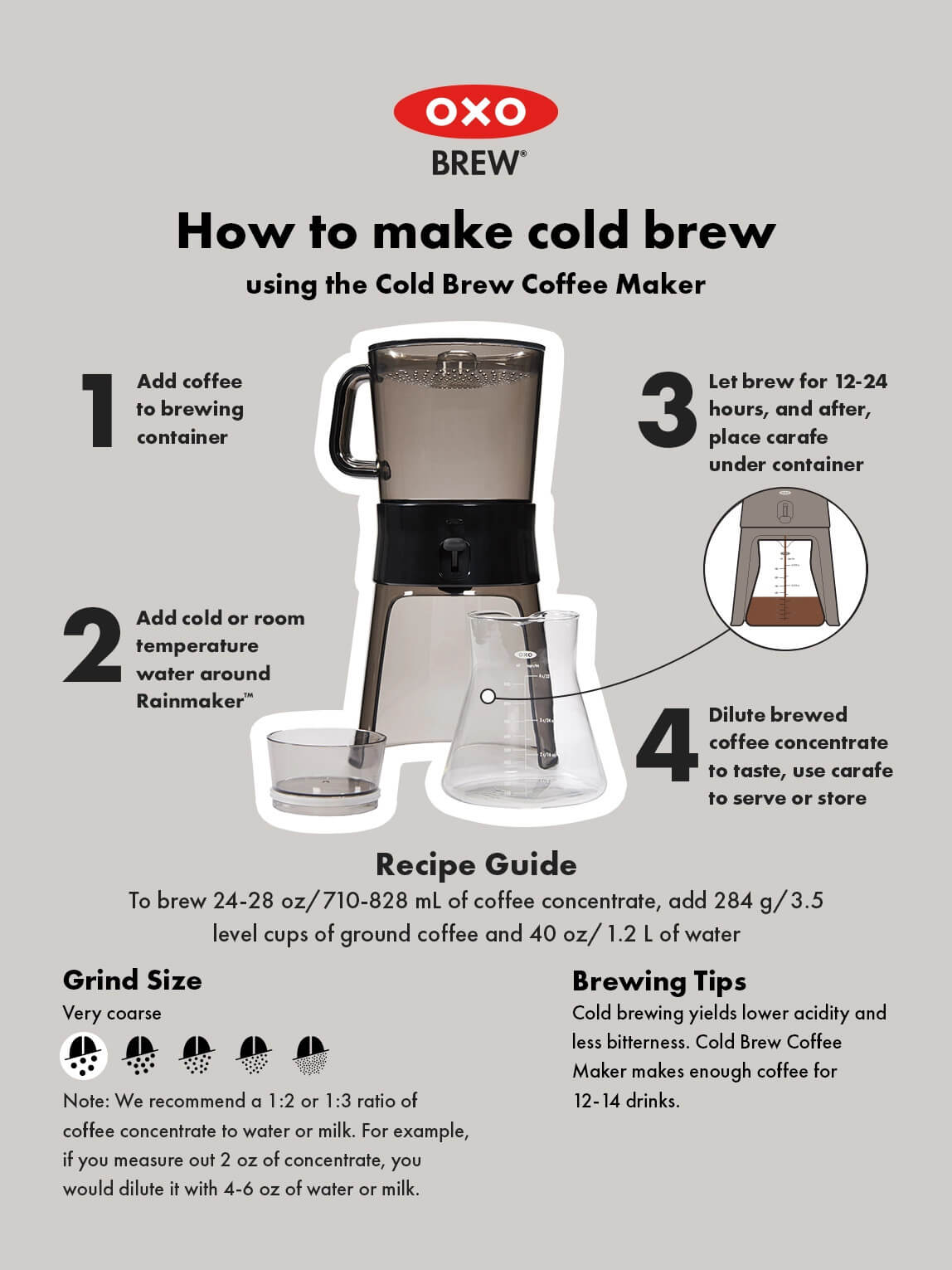
- Coarse Grind: French press and cold brew coffee makers call for the coarsest, or largest grind size. That’s because they require more steeping time, but the grounds also need to be larger so they don’t pass through the filter into your cup. Grounds are large enough that you can easily make out individual particles and are similar in size to kosher salt.
- Medium-Coarse Grind: If you’re using a coffee maker like a Chemex or traditional percolator, a medium-coarse grind is typically the right choice for the best extraction. The grounds aren’t quite as unmistakably large, but fall somewhere in between coarse and medium.
- Medium Grind: This type of grind is best suited for drip coffee makers and pour-over devices. It’s often what you’ll find in bags of pre-ground coffee from the grocery store. It allows for more flavor extraction in less time and feels like coarse sand.
- Fine Grind: Espresso machines and other devices that make espresso-strength coffee require a fine grind. The combination of the small particles, which result in plenty of additional surface area, plus pressure make for a strong, small cup. Finely ground beans look and feel similar to white sugar or table salt.
- Extra-Fine Grind: Turkish coffee and specialty brews call for an especially fine grind in order to extract the most flavor from a small amount of beans in a short amount of time. This grind is so fine it feels like powder.

How to Use the Compact Conical Burr Grinder
Now that you know what size grind you’ll need for your brew, it’s time to get to work. The OXO Compact Conical Burr Grinder is a cinch to use no matter what size grind you’re after. Here's how:
- Select your grind setting: Press and hold the grind size adjustment button to unlock the bean hopper, then keep holding the button down and rotate the whole bean hopper to adjust grind size from anywhere between 1 (fine) to 15 (coarse).
- Add your beans: Pour your coffee beans into the hopper (after weighing them out if you desire) and replace the lid.
- Grind your beans: Plug the device in and press the OXO button to start the grinder. Press it again to stop the process or wait for it to automatically shut off in 40 seconds.
- Distribute your ground coffee: Remove the bean hopper and grounds container from the base by rotating each counterclockwise. Transfer your grounds to your preferred coffee making device and start brewing.
Remember: You may need to adjust your grind size for the first few cups until you find the setting that gives you the taste you’re after so don’t be afraid to experiment.
Build the Perfect Brew Bar
Looking for other coffee-making gear to complete your setup? Don’t forget these items.
- Coffee storage container: POP containers are perfect for preserving fresh beans.
- Scale: Weighing your grounds and water helps ensure you achieve the perfect weight-based 1:15 (coffee to water) ratio.
- A coffee maker: While there are many ways to prepare coffee, one of our favorite new methods is via the Rapid Brewer.
- A precision kettle: If preparing pour-over coffee, a quality kettle is key.
Now that you’ve mastered your grind, consider getting more creative with your brews with these fresh ideas that’ll perk up your morning.
Shop This Article
Continue Reading



Shop This Article
-
Compact Conical Burr Coffee Grinder
Final $79.99 -
 Final $69.99
 -
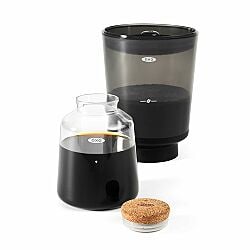
Compact Cold Brew Coffee Maker
Final $39.99 -
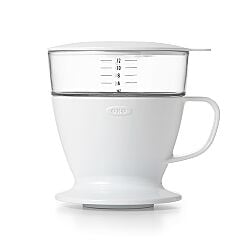
Pour-Over Coffee Maker with Water Tank
Final $19.99 -
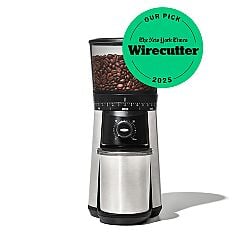 Final $109.99
Loading...