
Search is currently unavailable. To use search functionality, please accept cookies in your preferences.
Popular Searches: POP Containers
How to Store Your Fruits and Veggies to Get the Most Out of Them
Keep your produce fresher for longer with these easy tips.
8 min read

OXO
Jul 09, 2024
Don’t know how to store your fruits and veggies so they stay vibrant and fresh? The secret is proper storage. That’s right. Knowing what to store in the refrigerator versus what to leave on the countertop—plus understanding how storage containers function—makes all the difference. Here’s everything you need to know.
Our Favorite Tips for Storing Produce
Don’t Wash Produce Until You’re Ready to Eat It
Washing your produce in advance can promote bacterial growth, which causes food to rot. So don’t wash it in advance, and if your grocery store keeps produce in water or sprays it frequently, make sure to air dry your produce before storing it in your fridge. Do this by spreading it out on a baking sheet lined with a paper towel.
Let Your Produce Breathe
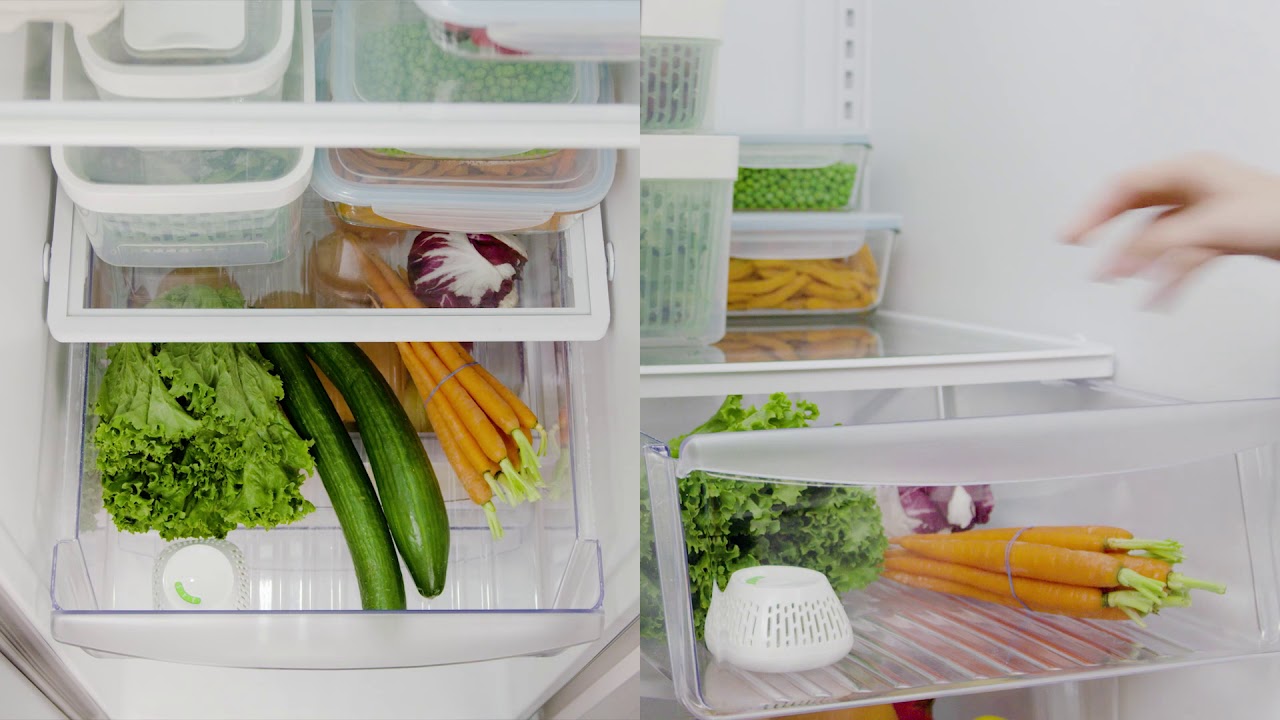
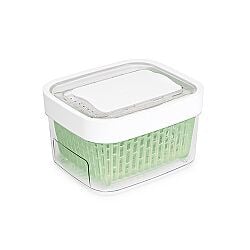
You want to promote airflow and avoid crushing produce in your crisper drawer or on fridge shelves. When produce rests against walls or is still bagged, moisture can build up and cause rotting. Avoid this by putting produce into containers with a removable basket that keeps food off the bottom and sides of the container.
Check the Temperature of Your Fridge
If it’s too cold, your produce can freeze. We recommend keeping your fridge at 35-38℉.

Remove Moldy Leaves and Bruised Sections
Pick out any moldy berries or bruised apples and toss them because the mold can spread to fresher items. Better yet, separate fruits (which are typically ethylene producing) from vegetables (usually ethylene sensitive) in order to slow down the ripening process.
Use Your Crisper Drawers (Correctly!)
The crisper drawer in your fridge can actually help save your produce—it’s not just another storage drawer! Many crisper drawers are temperature-controlled with a toggle or small vent. Slide the vent open for fruit because they don’t like humidity. Keep the vent closed for vegetables because they like to be in high humidity so they don’t lose moisture. No matter what type of produce, vents stay open if it’s been cut.
If you don’t have any controls on your drawers, the crisper will still work as a high-humidity spot for vegetables.
Know What Can’t Be Refrigerated
Some foods—such as avocados and tomatoes—need to ripen on the countertop at room temperature in order to achieve the correct texture and consistency. Others—such as stone fruits like peaches and nectarines—will become dehydrated if you put them in the refrigerator before they ripen. The same goes for pears.
So, store unripened fruit at room temperature on the countertop until it’s ready, then move it into the refrigerator and keep it from overripening. And see below for more suggestions

Specific Storage Tips for Everyday Favorites
How to Store Garlic, Onions and Potatoes
Since garlic and onions will start to sprout if they’re left under harsh light and get mushy if they’re kept in the fridge, store these items in a cool, dark place like the pantry or on the countertop underneath cabinets. As for potatoes, they’ll turn green if exposed to too much light, and their starches will turn into sugars if they’re refrigerated, so they do best at room temperature as well.
How to Store Bell Peppers
Bell peppers do best in the refrigerator. Remove any plastic wrapping and wipe off any excess dirt. Place them in a produce keeper in your crisper drawer.
How to Store Pineapple
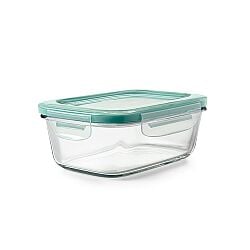
Leave it on the countertop until the exterior is mostly pale yellow (rather than green). Once you cut and slice the fruit, store your pineapple chunks in an airtight container in the refrigerator.
How to Store Tomatoes
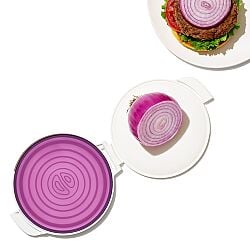
Putting tomatoes in the refrigerator can make them mushy. Instead, keep them on the counter away from your stovetop and sunlight. If you only use half of one, keep the remainder fresh with a silicone saver. If they become over ripe, use them in pasta sauce, or puree then freeze them in small containers to add to recipes when needed.
How to Store Squash
Butternut, acorn, winter—store all varieties of squash in a cool dark place in your pantry or even a cabinet, which prevents them from ripening further in the sun.
How to Store Cucumbers
Cucumbers are best stored in a high-humidity crisper drawer so they don’t become dehydrated. But make sure they don’t have excess water on their skin or they can become slimy and begin to rot.

How to Store Watermelon
Let watermelon stand on the counter until it’s ripe. If you’re not ready to eat it, put it into the refrigerator whole and uncut. Once you cut into it, it’s best enjoyed within a few days, so serve up slices and use it in refreshing drinks. You can even enjoy grilled watermelon, so get cooking!
How to Store Fresh Herbs
Every once in a while, you’ll use up the entire bunch of fresh basil or parsley you’ve purchased, but more often than not, there are leftovers. Keep your herbs fresh by removing any wilted leaves then placing them in the basket of a container that allows for airflow and humidity control.
How to Store Ginger
The easiest way to store fresh ginger is whole and unpeeled in your crisper drawer.

How to Store Mushrooms
Mushrooms do best when they are kept dry and away from light. So, store them whole and unwashed in a brown paper bag, which will help absorb moisture and filter out light.
How to Store Grapes
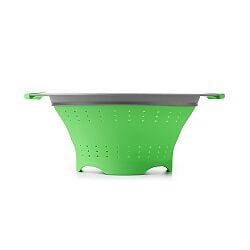
There’s nothing better than sweet, crunchy grapes. To help keep them that way, store them on the vine and in a well-ventilated colander or container. Eat them whole or slice them up to add to fruit salads or refreshing sangria.
How to Store Strawberries
Moisture is the enemy of crisp, juicy berries, so aim to keep them well-ventilated and dry. Do this by picking out any berries that show signs of spoilage and then returning the berries to their original container lined with paper towel.
Need more food storage advice? Learn how to properly store dry foods, fresh herb storage tips, the best way to store leftovers, and tips for keeping coffee beans fresh.
Additional reporting by Audrey D. Brashich.

Shop This Article
Continue Reading




Shop This Article
-
Cut & Keep Silicone Onion Saver
$5.60 $13.99 60% off -
 $13.99
Loading...