
Search is currently unavailable. To use search functionality, please accept cookies in your preferences.
Popular Searches: POP Containers
The Art of Hand Washing Dishes: Your Ultimate Cleaning Guide
It’s time to rethink dish duty.
23 min read

Teresa Traverse
Oct 16, 2023
We don’t have to sell you on the appeal of dishwashers. We all know they’re undeniably convenient appliances that save time, money, and lots of water. But not everything—like say, fine China, delicate crystal, or your fave wine glasses—is safe to go through a spin cycle. And just because you can place something in the dishwasher doesn’t mean you should. Dishwashers are powerful and can damage certain dishes and cookware. In these instances, it’s better to hand wash. And even if you think this is so simple that you couldn’t possibly be doing it wrong, here are a few pointers that will elevate your time at the sink and make sure your dishes sparkle.

Dishwashing Tools You’ll Need
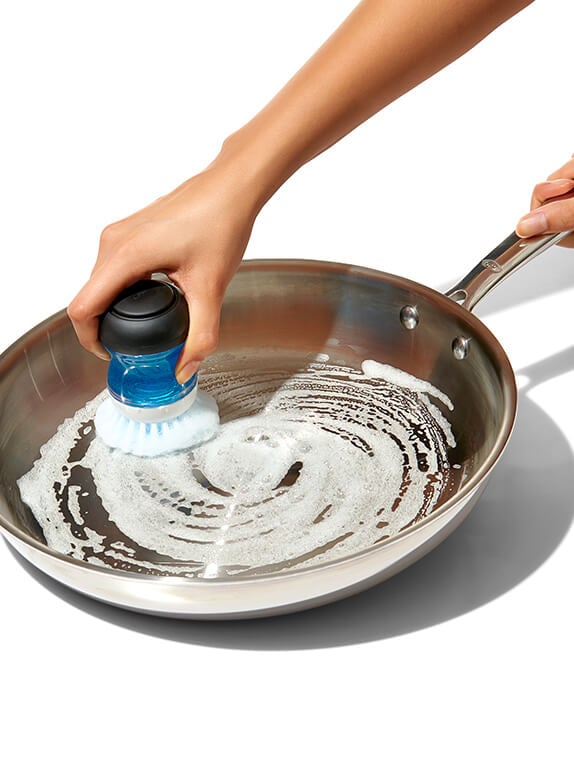
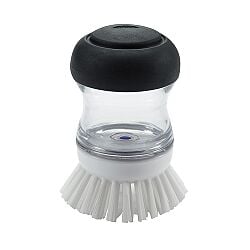
First things first, have all your tools ready before you begin. Start with a high-quality dish soap, plus a scrub brush or sponge. Even better, a soap-dispensing dish brush makes it easy to get grime off dishes without using more soap than you need. This soap-dispensing scrub brush also comes with a special scrubbing attachment for any stuck-on gunk. If you’re up against tough stains, a scouring pad can do the trick. Just ensure that the dishes can handle this material, which tends to be very abrasive. (Typically, you cannot use a scouring pad on glass, stainless and nonstick surfaces. Some plastics, painted surfaces, highly polished or delicate surfaces also might be damaged if you’re using steel wool.) For stubborn stains on stainless steel pots and pans, consider the following two cleaning powders: Bar Keepers Friend or Bon Ami. If you decide to use the two-basin wash method (read more about this hand-washing method below), you may need two basins.
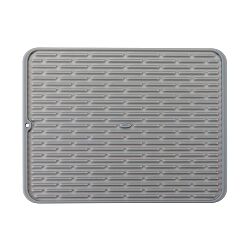
If you choose to air dry your dishes, you’ll want to purchase a dish rack or a drying mat. They’re ideal when you’re finished washing one dish and want to set it aside, or you can place all your dishes there when you’re done washing them. Drying mats don’t slip and keep water off your counters. Drying racks, on the other hand, take up more counter space, but hold more dishes than mats, so keep that in mind when considering which option is right for you. You’ll also need to place a mat underneath a dish rack to ensure it doesn’t leak water all over the counter. If space is a concern, this space saving drying rack is the perfect solution.
Prefer to towel dry? Make sure you have clean hand towels ready. It’s best to have a towel that’s solely dedicated to drying dishes, so you’re not tempted to use it to dry your hands which can lead to the spread of germs. A common complaint is that towels can leave lint behind on your otherwise spotless dishes and glasses. Cotton and other towels made of natural fibers are known for this. Opt for microfiber towels instead. They’re made of tightly woven synthetic fibers that don’t leave lint behind, tend to absorb more, and are hypoallergenic.
The Best Way to Hand Wash Dishes
When it comes to hand washing dishes, there are typically two camps: The “neat” method, in which you squirt dishwashing soap on a sponge and wash each dish one by one. Or, the “two basin” method, in which you take either the sink or a bin and fill it with water and some dish soap. Then, you use that soapy water to wash all your dishes at once. A second bin is filled with clean water to rinse the dishes. With this method, you’ll want to replace the water in both bins as you go if it starts to get cloudy or dirty (just make sure you have a sink strainer in place to trap food particles as you empty your basins). You can also use this method to soak dishes that might be caked in food and need a little time to be dislodged.
Once you’ve picked your go-to method, here are the steps you can take when hand washing dishes.
- Wash your hands before you start washing your dishes to prevent potentially spreading bacteria. Starting with a clean sink is also important to lessen the chance of spreading germs. Here’s a thorough guide on how to clean your kitchen sink. Consider wearing gloves if your hands get dry from frequent hand washing.
- Scrape off any lingering food particles into the trash. Soak any dishes in soapy water if they’re heavily soiled.
- Fill up your basin or sink with hot, soapy water if you’re using the two-basin approach. Be sure to follow the manufacturer’s suggestions when deciding how much soap to use. You may be able to use a smaller amount if the soap is very concentrated.
- Arrange all your dishes by type, so put all your cups together, all your silverware in a pile, and so on…you get the idea. If you’re worried about items chipping, a silicone sink mat can prevent items from moving around too much. (Please note that knives—not flatware knives—should never be stacked in a bin like other dishes as you could accidentally cut yourself. Knives should be washed individually and either dried with a hand towel or placed in a drying rack with the knife handle up.)
- Get washing! Start with lightly soiled items first. Typically, those items are cups, glasses, and flatware. Next, turn to your plates, bowls, and any serving dishes you may have used. Finish up by hand washing pots and pans.
- Rinse. Rinse all the suds off the dishes by placing them in the dish bin filled with clean, hot water, putting them underneath a running faucet, or by placing dishes in a drying rack then spraying the dishes with clean water.
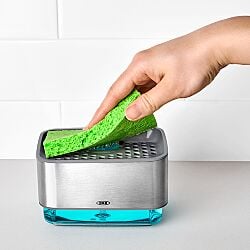
- Dry. Air drying obviously requires less effort than towel drying your dishes. If you’re using a microfiber towel, be sure to use a clean one. If it starts to get damp, switch to a new one. Let your sponges air dry (a sponge holder like this one or this one that also dispenses soap can make air drying a breeze). Replace them frequently as they can harbor bacteria.
- Clean up the area after you’re done. This should be part of your daily kitchen chores. Be sure to use a disinfectant to clean up the sink, dish bin, and sink strainer. (When you’ve got more time, here’s how to deep clean your entire kitchen.)

The Best Way to Dry Dishes
You can either use a drying rack or a towel to dry your dishes. Air drying is generally seen as the better option, as it tends to be more sanitary because a dirty towel can spread bacteria. If you’re using towels, it’s important to use clean towels to dry your dishes. Trying using a dish rack to ensure the dishes get adequate airflow. Dishes must be completely dry before you put them away as bacteria breed in moist environments.
How to Sanitize Dishes
Sanitizing dishes is important if you want to entirely remove any bacteria that may cause foodborne illnesses. The U.S. Department of Agriculture(Opens in a new window) recommends sanitizing dishes whenever you’ve cooked raw meat or poultry. First, you’ll want to clean your dishes using soap and water. Cleaning will remove any food that’s left and get rid of some bacteria. Sanitizing will kill the rest.
The Stop Foodborne Illness organization(Opens in a new window) recommends two different methods to fully sanitize dishes:
- Use a chlorine bleach solution. Mix one tablespoon of bleach with cool water and soak the dishes for at least one minute. It’s important that the water is cool as hot water can prevent bleach from fully sanitizing the dishes. Next, clean the dishes with soap and water. Then, rinse dishes completely and allow them to air dry fully. Be sure to protect your hands with gloves or use utensils to pick up the dishes as bleach is harsh.
- Hot water. You can also soak dishes in water heated to 170 degrees for a minimum of 30 seconds if you don’t want to use bleach. Use a thermometer to check the temperature. If your sink water won’t get that hot, boil water on the stove until it reaches that temperature. When the dishes have soaked for long enough, let them dry fully.
Is It Better to Wash Dishes by Hand or Dishwasher?
There are benefits to both hand washing dishes and using the dishwasher. Provided you’re using a modern dishwasher and running full loads, they tend to use less water than hand washing. Consider this: An Energy Star(Opens in a new window)-certified dishwasher only costs about $35 to operate annually and may save 3,800 gallons, according to Energy Star. Dishwashers also tend to kill more bacteria since the water can be heated to higher temperatures.
But hand washing has benefits, too. If you have a small load of dishes, hand washing is the more sustainable, faster option. Plus, delicate items like China simply cannot be put in the dishwasher. If you have an item of high value, like your late grandmother’s cherished plates perhaps, hand washing is the better choice since a dishwasher might break them. Even if you have items that are labeled dishwasher safe, it’s not always advisable to load them. Wine glasses and pots and pans, for instance, tend to last longer if you hand wash them.

What Items Should Always Be Hand Washed?
It’s always best to check with the manufacturer to confirm if an item is dishwasher safe. For example, let’s say you bought some handmade ceramic cups. There’s a chance they might not be able to withstand the heat of your dishwasher. If you’re unsure if an item is dishwasher safe, hand washing is the safer bet. Otherwise, you run the risk of opening the dishwasher and finding broken dishes or discolored cooking utensils. Here, a complete list of items that typically shouldn’t be put into the dishwasher, according to the American Cleaning Institute(Opens in a new window).
- Cast iron
- China
- Crystal
- Aluminum utensils
- Decorated glassware
- Knives with hand-hallowed handles
- Milk glass
- Pewter
- Silver
- Most wooden items
How to Clean Drinking Glasses
Here are the steps you can take to hand wash drinking glasses.
- Dump out any remaining liquid.
- Wipe off any lip balm, lip gloss or lipstick residue from the rim of the glass with soap and water.
- If there are any stains or cloudiness on the glass left even after cleaning with soapy water, try using white vinegar to clean the glass. Use just enough vinegar to wet the sponge so you can remove those stains.
- Rinse the glass completely.
- If you want to be extra cautious, you can sanitize the drinking glass in another sink. Sanitizing completely kills bacteria and prevents the spread of foodborne illness. If you handled raw meat and then handled a glass, this might be a good step to take.
How to Clean Water Bottles
Love using a water bottle but hate cleaning it? You’re not alone. It can be tough to clean water bottles since they are long and usually have a narrow mouth, making it difficult to get a good scrub. To make matters worse, many water bottles aren’t dishwasher safe.
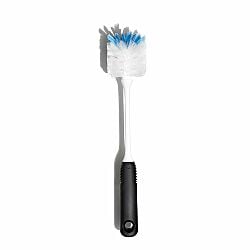
Experts say you should ideally wash your bottle daily with soap and water. The good news: A water bottle cleaning set can make it easier to get the job done and clean deep inside. The long bottle brush can scrap any residue off the sides of the bottle. The straw brush can help you clean, you guessed it, the straw attachment. A detail cleaner can reach into the crevices of caps and lids. When you finish cleaning your water bottles, let them air dry in this water bottle drying rack so they’re ready to use the next morning.
How to Clean Wine Glasses
You can put wine glasses in the dishwasher, provided that you use the gentle setting and put the wine glasses on the top rack. But washing them by hand will typically extend their shelf life and reduce the risk of chipping or cracking with each wash. Here’s what Riedel(Opens in a new window)—a wine glass company based in Austria—recommends if you’re hand washing wine glasses.
- Wash the wine glass with warm water. If you’re drinking red wine, it’s best to wash out the wine glass immediately as red wine can stain the glass.
- Soak the glass in equal parts warm water and white vinegar to get rid of stains. Use as much as you need to completely cover the wine glasses.
- Dry the wine glasses using two cloths. You’ll use one cloth to hold the glass and another to clean it in order to prevent smudges. A microfiber cloth should be used to clean the glasses. (One pro tip: Don’t wash these cloths with fabric softener in order to prevent a greasy film from transferring to your glasses.) When drying, don’t hold the wine glass by its stem as it could snap. Instead, hold the wine glass from the base of the bowl with a drying cloth. Use the second cloth to clean the bowl. Next, hold the base and polish it.
- Don’t dry wine glasses upside down in a drying rack as you’re more likely to chip their rims. Let them dry standing up.

How to Wash Wooden Utensils
Never put wooden utensils in the dishwasher since they’re usually too fragile to survive the dishwasher’s high temp and the harshness of some detergents. Montana-based wood utensil company Earlywood recommends following these five cleaning steps(Opens in a new window) to ensure your wood utensils last for years.
- Use warm, soapy water to hand wash the wood utensils. Wash the utensils with the scratchy side of the sponge.
- Don’t soak the wood utensils in water.
- Let them air dry or use a towel.
- When the wood utensils start to look dry, use wood oil liberally to make them shine.
How to Hand Wash Pots and Pans
Although you can put some pots and pans in the dishwasher (cast iron is a major exception to this as putting it in the dishwasher causes it to lose its seasoning and rust), they typically last longer if you hand wash them. The right way to hand wash your cookware is determined by the material of your pots and pans. It’s important to follow instructions for cleaning cookware as you can permanently damage pots and pans if you use the wrong cleaning supplies.
For non-stick cookware: Place distilled white vinegar and lemon juice in your non-stick cookware and put it back on the stove over low heat. Use equal parts water and your vinegar-and-lemon-juice combo to layer the pan, but not enough so it spills over when boiled. Let it simmer for up to 30 minutes until the food has been loosened. Next, pour the solution out. Clean the pan with soap and water.
For stainless steel cookware: Soak the pots and pans in equal parts distilled white vinegar and hot water for 10 minutes. If that doesn’t work to loosen up the grime or any food particles left on the pan, you can use a powder like Bar Keepers Friend(Opens in a new window) or Bon Ami(Opens in a new window). Simply sprinkle on the powder, use some water and scrub with a sponge.
For carbon steel cookware: Use a nylon or a gentle scrub brush to clean your carbon steel pan with soap and water. If food is caked on, try simmering water in the pan to loosen it up. Be sure to dry the pan immediately. Drying the pan quickly helps to preserve the seasoning and can help prevent rust. If there is any water left over, consider heating up the pan so it evaporates.
The Unexpected Stress-Busting Benefits of Hand Washing Dishes
Yes, you read that correctly. If you’re considering hand washing dishes, it might just help lower your stress levels. One study by researchers at Florida State University found that hand washing dishes can help boost mental health. Students who participated in what the study called “mindful dishwashing”—focusing on the smell of the dish soap, the temperature of the warm water, and the feel of the dishes—reported a 27 percent decrease in nervousness and a 25 percent boost in creativity. You can even put this to the test. Next time you decide to hand wash your dishes, try to stay present in the moment and see how you feel afterwards.
Now that you know how to properly hand wash your dishes, it’s time to clean up the rest of your kitchen. Here’s how to deep clean a dishwasher, clean a microwave after food explodes inside, and even how to clean a camping kitchen.
Shop This Article
Continue Reading




Shop This Article
-
 Final $9.99
 -
 Final $19.99
 -
 Final $9.99
 -
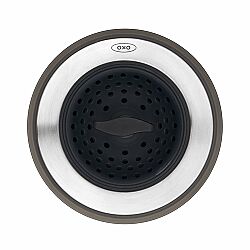
2-in-1 Silicone Sink Strainer with Stopper
Final $13.99 -
 Final $18.74
Loading...